Autonomous Greenhouses: What “Closed-Loop Climate AI” Actually Means
Software that adjusts your greenhouse without waiting for a human to approve it sounds like magic. Here’s what’s actually happening under the hood, and where the technology stands today.
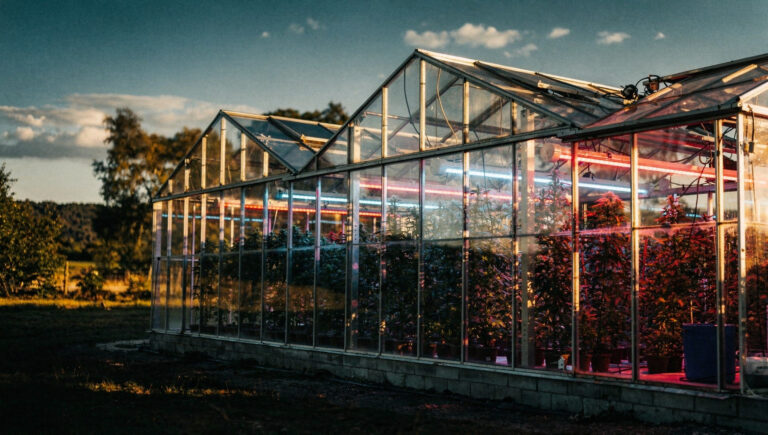
Walk into most cannabis cultivation facilities and you’ll find climate control that works roughly like a thermostat with extra steps. A human sets a target temperature, humidity range, and CO2 level. Sensors report back. If something drifts outside the target, an alarm goes off, and a person walks over and adjusts something.
That’s automation. It’s not the same thing as what’s now called autonomous climate steering, and the difference matters a lot more than the marketing usually explains.
The difference between automated and autonomous
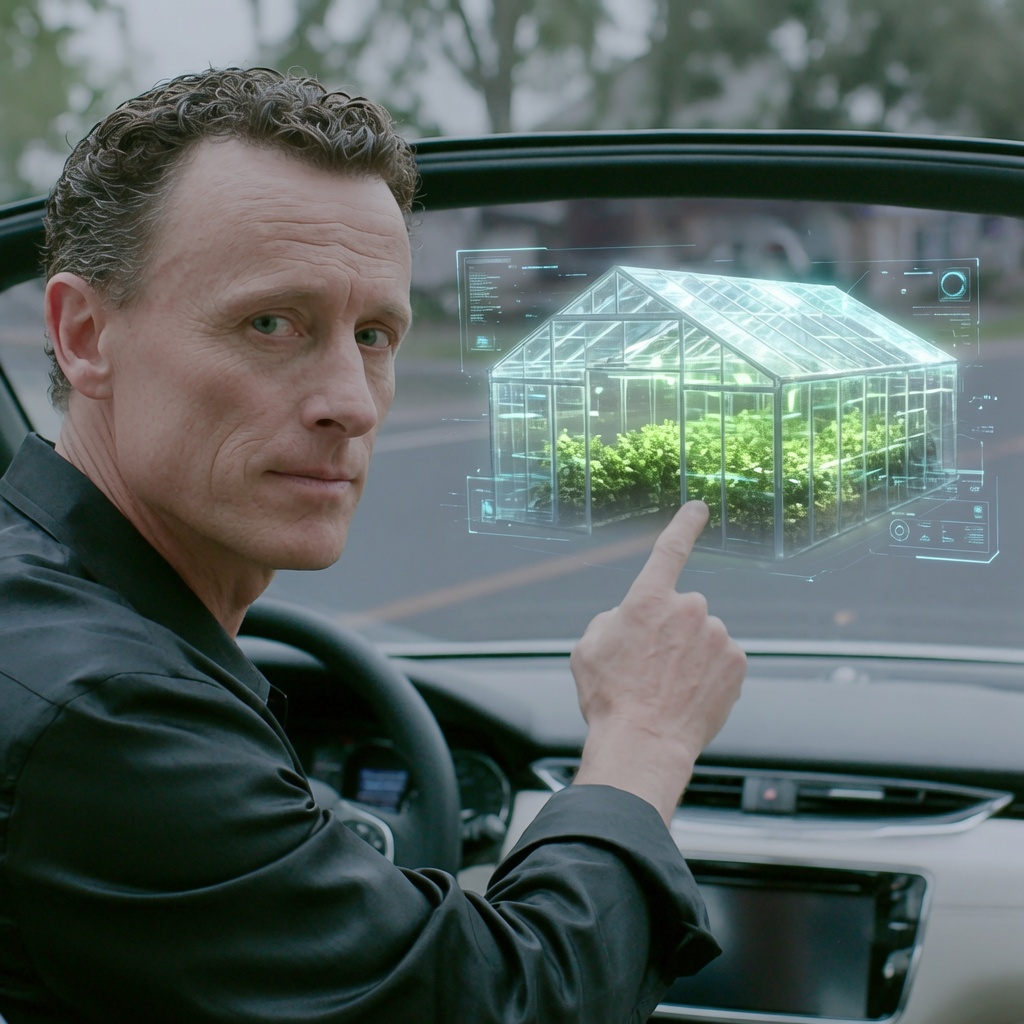
Automated systems follow rules a human wrote. If temperature goes above X, turn on the fan. Simple, reliable, and completely dependent on a human having written the right rule in advance.
Autonomous systems, sometimes called closed loop climate AI, work differently. Instead of following a fixed rule, the software continuously predicts what’s about to happen based on current conditions, weather forecasts, and how the plants have historically responded, then adjusts multiple variables at once before a problem shows up, not after.
Think of the difference between cruise control and a self driving car. Cruise control holds a speed you set. A self driving system is constantly reading the road and deciding what speed makes sense right now, without you telling it the number. Closed loop climate systems are trying to do the self driving version for a greenhouse.
Where this technology actually came from
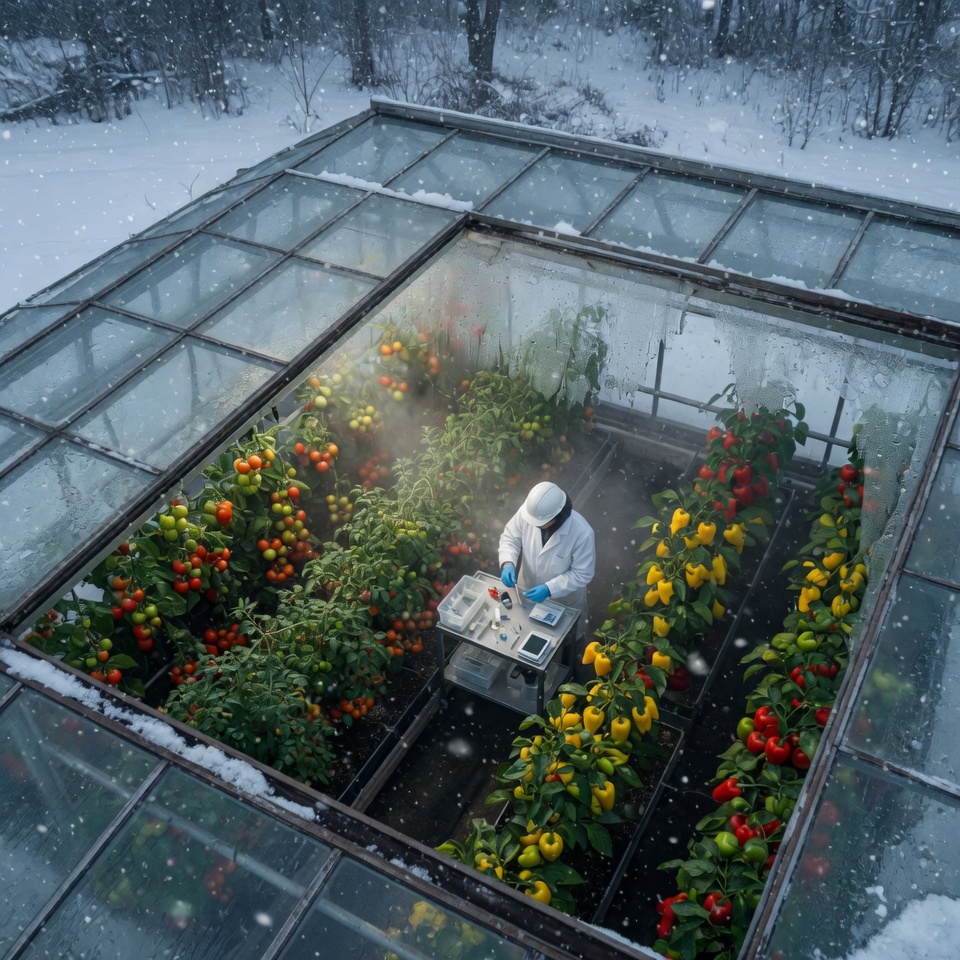
This didn’t start in cannabis. It was built for vegetable greenhouses, tomatoes and peppers mostly, where energy costs are high enough that shaving even a few percent off heating and cooling bills matters enormously at commercial scale. Systems built for that world have been running in well over a hundred commercial greenhouses internationally, with reported energy savings in the range of 15 to 25 percent.
That’s a mature, proven category, for the crop it was built around.
Why cannabis is a harder problem for the same software
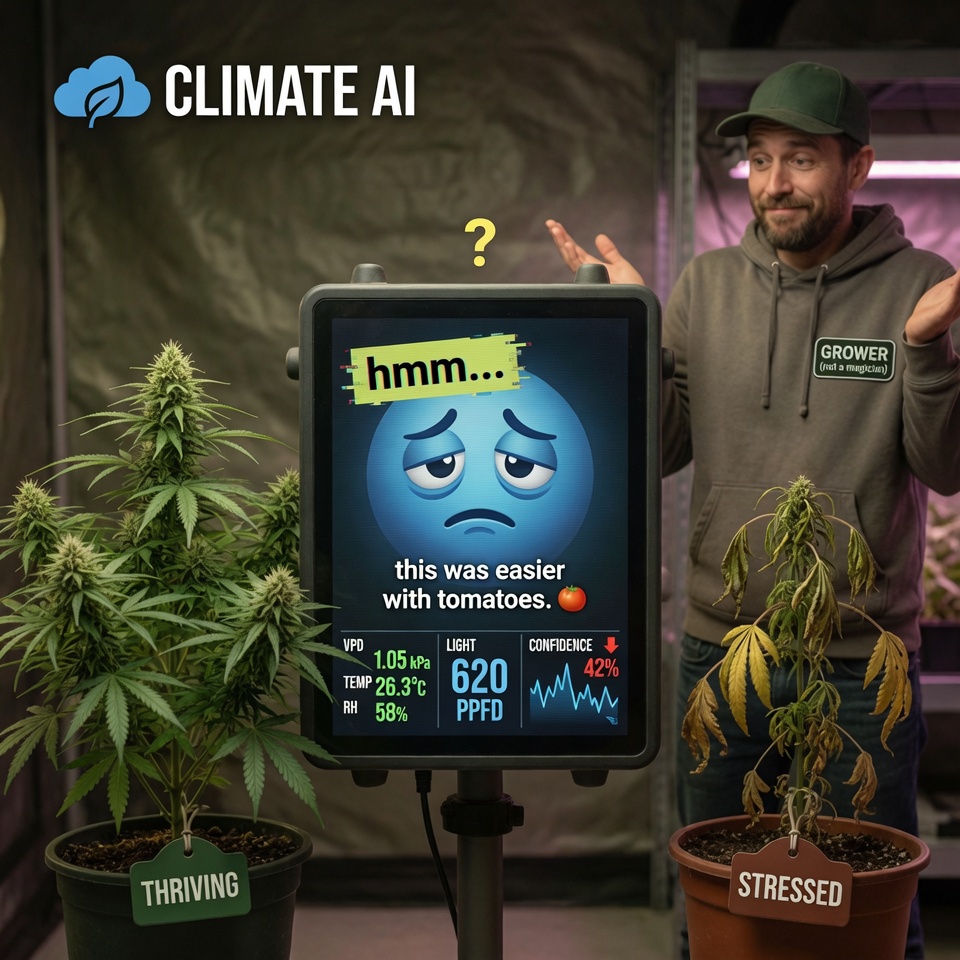
Tomatoes are remarkably consistent from one plant to the next. Cannabis is not. Different strains respond differently to humidity, light intensity, and nutrient timing, sometimes dramatically so. A model trained on years of tomato data has an enormous, consistent dataset to learn from. A model trying to do the same thing for cannabis is working with a much smaller, much more varied set of examples, since every strain is almost its own crop.
This is the honest reason why the same underlying software genuinely performs differently depending on what you’re growing. It’s not that the technology is worse for cannabis. It’s that cannabis gives it a harder, messier problem to solve, with less historical data to solve it from.
What operators should actually ask before buying in
If a vendor tells you their autonomous climate system is proven, ask specifically what it’s proven on. A track record across a hundred vegetable greenhouses is real and worth something, but it doesn’t automatically transfer to cannabis, any more than a driver who’s great on empty highways is automatically great in city traffic.
The fair follow up questions are simple. How many cannabis specific installations are actually running today, not vegetable ones. What results can you show me from those, not from the vegetable side of the business. And how does the system handle a strain it’s never seen data from before, since that’s going to happen constantly in a facility growing more than one cultivar.
None of this means the technology isn’t worth considering. It means the sales pitch and the cannabis specific reality are often two different things, and the gap between them is exactly what a careful buyer should be asking about.

The bigger picture
Closed loop climate steering is a real category, not hype, and it’s likely to keep improving quickly as more cannabis specific data gets collected. But right now, it sits in an unusual spot: fully proven for one crop, still being proven for another, using the exact same underlying approach. Knowing which side of that line a given vendor’s cannabis results actually sit on is the whole ballgame.